Welcome to Elderfield Guides
Demo routes, farm loops, mall bosses, and 1.0 systems mapped before September 10, 2026.
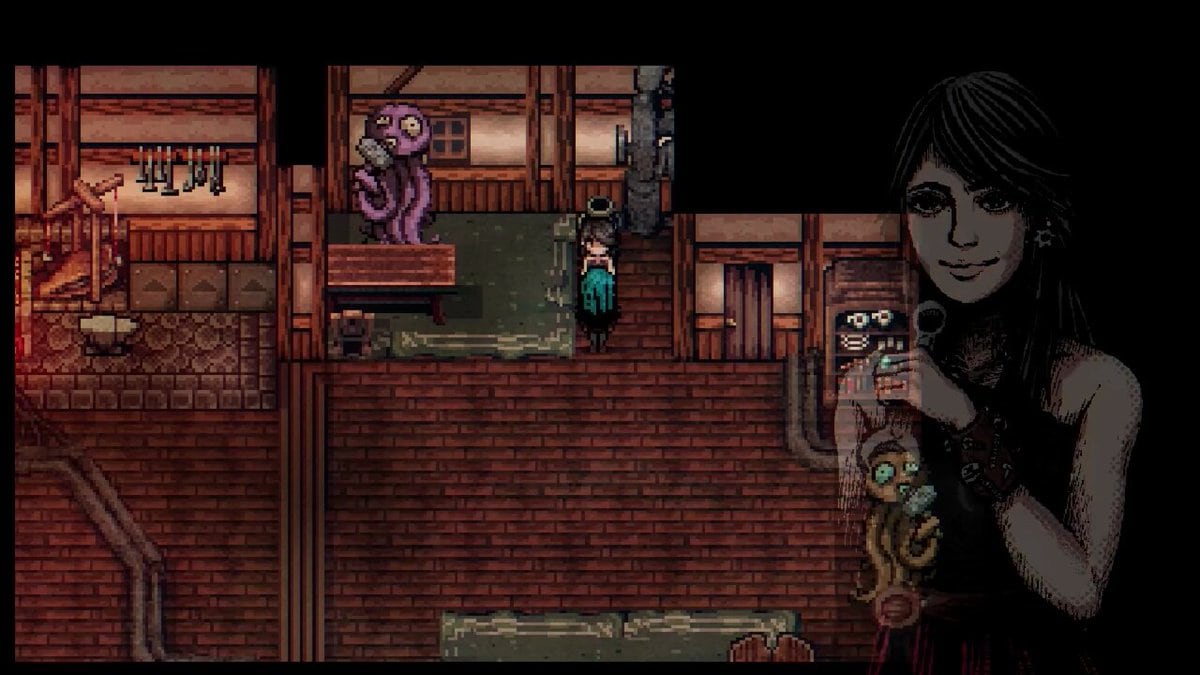
This hub is the map of every Welcome to Elderfield guide on the site. The game is a single-player cozy horror farming RPG by Chris Cote of Ill-Advised Games, published by Kwalee, built in RPG Maker MZ, and dated for a full PC release on September 10, 2026. A free Steam demo has been playable since October 2024 as a vertical slice: one town district, the farm and ranch, the local mall dungeon, and a handful of side spaces. Treat these pages as a route planner for that slice, then as a checklist for systems the 1.0 build still has to grow into.
If you just installed the demo, start with Getting Started. It covers leaving the house, talking to Tanner, walking west to Farmer Hans, buying a hoe and watering can, and proving you can grow wheat before you wander east toward the dead mall. Pair it with the first-week planner so day one is not a random stroll that ends in an empty stomach and a curse you do not understand.
First hour and demo route
The controls page lists keyboard, mouse, and gamepad binds, plus the Steam Deck notes that followed the Verified announcement in August 2026. Rebind issues after a patch belong there, not in combat advice. Once the buttons feel honest, open the demo walkthrough. The original alpha slice was paced at roughly ten to twenty hours depending on how many optional tasks you chase. It is not the full town. It is the onboarding loop: home, farm path, ranch family, mall floor one, beginner mine, and enough mysteries to teach you that luck rolls are part of the world, not flavor text.
Use the walkthrough as a sequence, not as a speedrun script. Elderfield rewards people who bathe, cook, and check the news before they try to brute-force a hallway full of Shoppers.
Farm, kitchen, and the wilds
Farming is the heartbeat. Ghost Tentacles occupy crop plots until you spend Cleansing Balm. Wheat is the first proof of competence Hans asks for. Later seeds lean stranger: corn and pumpkins sit next to teeth and eyeballs, and unruly tentacles will take the field back if you ignore them. Scarecrows, rain, and the Tax Man on his two-week circuit all change whether a harvest actually pays. Rank the plants on the tier list after you know which seeds unlock from Hans’s tasks instead of from a guess.
Fishing and mining sit beside the hoe. The beginner mine near the workshop is copper, stone, and coal with weak enemies. The mall mines under the food court are where the Giant Skull Chalice materials live, and that chalice is the gate to pumpkin seeds. Fishing is a timing bar that can kill you if you treat it like a idle minigame. Bring inventory space; forage nodes refuse to pick up when you are full.
Cooking and crafting turns those materials into the only reason mall runs succeed. Chef Elroy’s recipe books open as you complete farm tasks. A furnace, workbenches, and later the Jeweler’s Desk sit on the same progression spine. Cooked food is not a bonus stat snack. It is how you stay in the dungeon long enough to learn a boss pattern.
Combat, sleep, and curses
Combat is turn-based and spends Action Points on weapon hits, rituals, guards, and items. Encounters are unavoidable: once a fight starts, you cannot run. Cozy mode trivializes fights so you can farm and talk. Normal keeps enemy stats honest and adds a gold sting on death. Nightmare is for people who already understand food, hit rate, and when to walk away from a Hall Monitor. Equipment you forge in town is the difference between a Rat and a wipe.
Sleep and curses is the system most farming fans underestimate. You may sleep after 6pm. Sleeping can lift a curse or hand you a new one. Staying up stacks both gifts and dangers. Baths fully heal and strip blessings and curses together, which is a trade, not a free reset. Pale Moon nights and luck swings belong on that page before you skip another rest because the mall is still unmapped.
Mall, mysteries, gods, and people
The mall dungeon is the demo’s first true dungeon: shops you need, creatures you should not greet, and bosses with names you will remember. Hall Monitor, Mall Administrator, and the Denizen of the Deep Fryer teach different lessons. The Administrator’s Skull of the Mall is not junk loot; 1.0 uses dungeon skulls as Art Gallery pieces on the road to the final door. Read the mall page before you chase every hallway with a rusty weapon and no stew.
Mysteries are the luck-table encounters: haunted ATMs, whispering trees, news programs that get stranger, Neighborhood Watch warnings that spawn things on the road. High rolls bless you. Low rolls curse you or shave a permanent stat. They are how Elderfield makes exploration feel like Junji Ito panel transitions instead of fetch quests.
Old Gods covers rituals, offerings, and the alignment layer promised for 1.0. The demo already lets you beseech powers that do not love you back. The full game adds a longer calendar and a clearer cost for picking a patron. If you came here from Fear & Hunger, start there after you can survive a mall loop without burning your seed money.
Romance tracks friendship hearts, gifts, the Ring of Binding, and the one-spouse rule. Marriage is a 1.0 pillar: ten hearts, a church scene, a new room in your house, and a locked former home. Use the townsfolk hub for schedules and gift tastes so you are not handing Mystery Meat to someone who wanted a pastel trinket.
Map, ranch, and Manga Mode
The map page is the geography: home hub, farm west, mall, sewers, Greystone Estates, bus stops, and the 1.0 woods and catacombs. Husbandry covers the ranch animals that sit beside Hans’s fields — Tentacow, goats, crows, and the milk and jerky that feed cooking. Manga Mode is the high-contrast black-and-white graphics toggle. It does not make Hall Monitor kinder. The PC nav only lists eight guide entries; the rest live on this hub via View all.
How to use this hub until 1.0
Keep the release date page next to these guides. September 10, 2026 is the full-game date, not a patch on the demo. 1.0 is slated to grow the town to more than three times the demo map, add the Old Woods and Catacombs as extra dungeon lines, hang events on a calendar, and fold Old God alignment, marriage, and the Art Gallery key into one endgame spine. These guides flag what you can practice now and what is still waiting behind that date. Follow them in the order your current problem demands: food, sleep, mall, then gods. If you want the Junji Ito still-frame look while you wait, open Manga Mode.
Frequently Asked Questions
Quick answers to the most common questions.
Which Welcome to Elderfield guide should I read first?
Read Getting Started, then the first-week planner and the demo walkthrough. Jump to farming as soon as Hans sends you for wheat.
Do I have to fight if I only want to farm?
No. Cozy difficulty is built for harvest and discovery. You still need the sleep and curses page, because rest is never a free action even when combat is trivial.
When should I enter the mall?
After you can cook, carry a real weapon, and afford to die without losing your seed budget. The mall dungeon and combat pages list food, AP, and boss tells.
Are Old Woods and the Catacombs in the demo?
No. The demo's dungeon is the local mall. Old Woods and the Catacombs are 1.0 dungeon lines. Track them on Old Gods and the release date page.
Where do romance and gifts live?
Use romance for hearts and marriage rules, and the townsfolk hub for schedules. Gift tastes sit with the people, not in the mall guide.
Where are the map, ranch, and Manga Mode pages?
The map is geography, husbandry is ranch animals, and Manga Mode is the black-and-white graphics toggle. The PC nav lists eight entries; the rest sit on this hub via View all.