Welcome to Elderfield Ranch Animals and Products
Otherworldly livestock, troughs, goat milk, and jerky — after the wheat is looping.
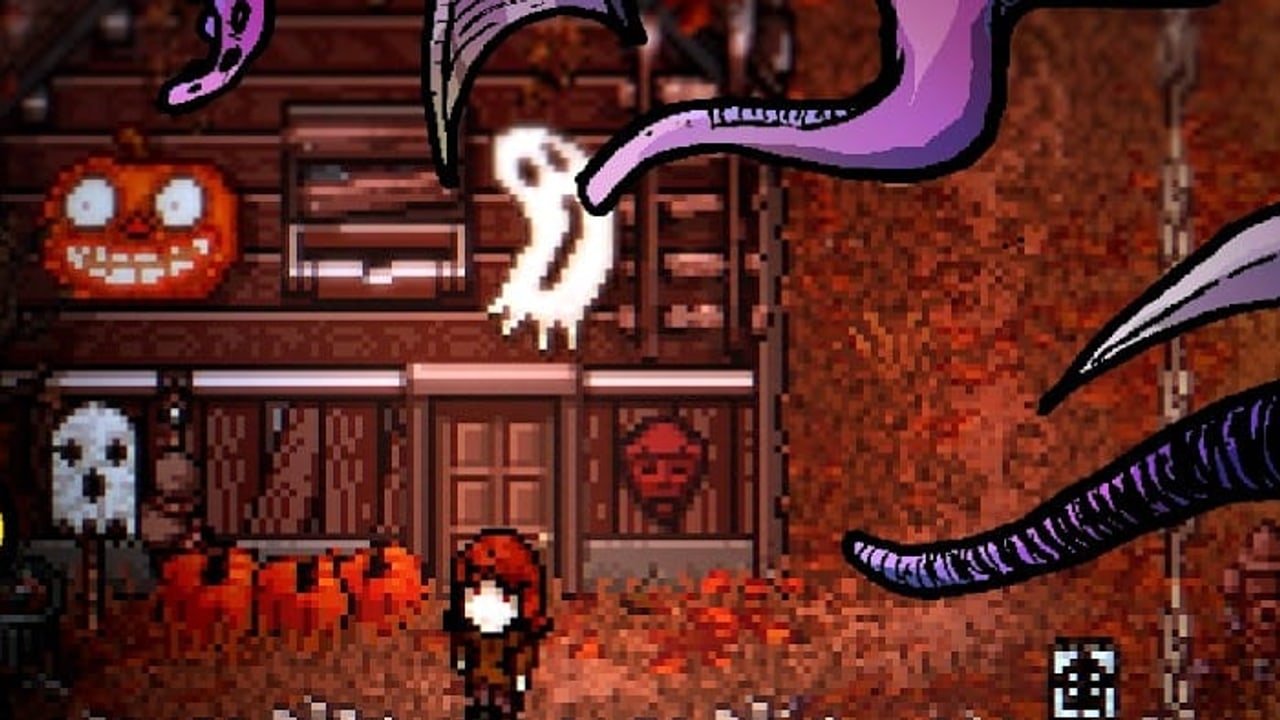
Husbandry in Welcome to Elderfield is the ranch west of home, not a second farm with nicer cows. The livestock is otherworldly on purpose: Tentacows, Black Goats, and Giant Crows sit next to hay and troughs like they have always belonged there. Products leave the barn and enter the kitchen. The Tax Man still wants crops. Crows that eat growing wheat are pests, not pets. Cleansing Balm is a farming tool that only looks adjacent. The game is single-player. Nobody else fills a trough if you spend the day in Burgers Burgers.
The Steam demo has been playable since October 2024 and already includes a farm-and-ranch slice. The full PC game is dated September 10, 2026, with a wider ranch planned for 1.0. Treat this page as the animal loop you layer on after farming is honest, not as a skip for wheat.
How you actually reach the ranch
Tanner points west. Farmer Hans — skeleton, still a landlord — lets you use the infested fields first. Walk that road before you shop for a Tentacow. Klaus, brother to Hans and Henrietta, sells building materials and ranch structures once the ranch is open. Building contracts place larger pieces such as wells and windmills. When the first ranch building goes down, Henrietta arrives to run the shop: tools, animal feed, blueprints, and the animals themselves.
Four ranch fields can take buildings. Each field holds up to eight animals. Each trough can be upgraded to hold more feed. Replacing a building does not wipe those trough upgrades, so you are not punished for remodeling. Place feed in the trough before midnight. Friendship rises when you feed and pet; each action is once per day. Skip feed in poor weather and happiness drops. That is the whole care kit. There is no stamina bar hiding behind a pitchfork.
Hay becomes the sink after you have a barn or henhouse path. Grow it on the field when the farm can spare a tile, then stop treating it like a vanity crop. The crop rankings still put wheat and radish in S-tier for a reason: animals eat, but bills are paid in grain.
Tentacow, Black Goat, Giant Crow
Henrietta’s roster is not a Holstein catalog.
Tentacow. Milk every day if it is fed. Friendship scales the size of that milk. The sprite is a cow the way Elderfield is a town: familiar until you look at the extra limbs. Park it in a field you will actually walk past on the morning water loop, because a forgotten Tentacow is a silent fridge.
Black Goat. Goat milk is the cooking ingredient you came for. It is not a Tax Man substitute. Process it, cook it, gift it if a neighbor wants dairy, and keep a bottle in the kitchen for mall days. Do not assume the goat replaces radish gold.
Giant Crow. Farm-adjacent on purpose. You can buy one as livestock. Wild crows are a different problem: they eat growing crop tiles and skip fully grown ones. A Giant Crow in a pen is not a scarecrow. You still place scarecrows on the wheat. The ranch bird is a product animal; the field flock is theft. If you only remember one sentence from this page, remember that split.
Other creatures will show up as the ranch expands. The demo slice is the classroom. 1.0 is slated to grow the ranch the same way it grows the town. Do not wait for a mystery breed before you learn troughs.
Milk, jerky, and the kitchen
Animal products exist to be cooked. Goat milk and Tentacow milk become kitchen inputs, not trophy items. Jerky is a preservation chain: Prep Table, then Drying Rack. Those stations arrived in the same era as Manga Mode (demo v0.6.4): craft the Prep Table at a workbench, prep the meat and seasonings, then hang the result on the Drying Rack. That is how a three-day mall plan does not rot in the pack.
Henrietta also sells a Food Processor blueprint. Animal products go in; cooking ingredients come out. Pair that with the cooking and crafting benches you already placed at home: furnace for ore, grinder for wheat, casks for rum, mortar for void work. Husbandry is one more belt into that kitchen, not a replacement for Chef Elroy.
Do not ranch-skip food. A fridge of milk does not beat Hall Monitor if you never cooked a dense meal. The mall still wants pie, stew, or whatever Elroy unlocked after Hans’s pumpkin path. Animals print ingredients. You still have to plate them. The first-week planner puts wheat and a scarecrow before a shopping spree at Henrietta’s counter, and that order is correct.
Scarecrows, wild crows, and what is not husbandry
Wild crows pick a growing tile. Fully grown crops are skipped. A scarecrow cuts the chance. Place one as soon as Crawford will sell it, then craft better ones at a workbench. One scarecrow is a percentage, not a cathedral. If you cannot cover the field, plant tax wheat in the protected cluster and let vanity crops take the edge.
Cleansing Balm is farming. Ghost tentacles sit on crop plots until you spend a balm, then hoe, seed, and water. That is not a ranch action. It is adjacent because the same west road holds both the infested soil and the troughs, and because a player who is excited about Tentacows will try to skip the tentacles. Do not. Hans’s first wheat is the gate. Balm is the expansion currency for plots, not for friendship hearts on a goat.
The Tax Man does not want a herd
About every two weeks, Pale Moon and Tax Fog announce the auditor. He waits at the farm. The first invoice is usually a wheat-and-radish bundle. Pay in crops. Livestock, milk, and jerky are not the tithe he names in the demo loop. Keep a chest labeled for him. Do not cook the last wheat the night before Fog because you wanted extra jerky for the food court.
The travelling merchant on the farm path some weekends will buy crops and animal products at a higher rate than town shops. That is a bonus sink, not a reason to starve Hans. Check the cart, sell surplus milk, and walk back to the trough.
A ranch week that does not wreck the farm
Morning: water every crop, harvest, feed troughs, pet once. Midday: process milk and jerky, cook a mall stack, then run an errand. Evening: refill feed before midnight if the trough is thin, bathe if cursed, sleep after 6pm only if you want the luck die. The map puts ranch fields west of the house hub; do not treat that walk as optional on a storm day.
Expand animals only as fast as you can remember them. Two fed Tentacows beat eight starving Crows. Klaus house upgrades still matter more than a fourth field if your kitchen has no space. 1.0 is expected to widen ranch options; the September 10, 2026 date does not make a demo trough fill itself.
Husbandry is cozy until the weather and the clock. Feed, pet, process, cook, then go east with real meals. The herd is a kitchen supplier. The Tax Man is still a farmer’s problem. Keep the scarecrow on the wheat, keep the balm for tentacles, and keep the Giant Crow in the pen where it belongs.
Frequently Asked Questions
Quick answers to the most common questions.
Where is the ranch in Welcome to Elderfield?
West of home, past Farmer Hans. Klaus builds ranch structures; Henrietta sells animals, feed, and blueprints after the first building is down.
What animals can I raise?
Otherworldly livestock such as the Tentacow (daily milk that scales with friendship), Black Goat (goat milk for cooking), and Giant Crow. 1.0 is slated to expand the ranch roster.
Does the Tax Man collect livestock?
No. He wants the listed crops, usually wheat and radish. Keep a tax chest. Milk and jerky are kitchen goods, not the Fog invoice.
Do ranch crows stop wild crows from eating crops?
No. Wild crows eat growing tiles and skip fully grown ones. Place scarecrows. A Giant Crow in a pen is livestock, not a scarecrow.
Is Cleansing Balm part of husbandry?
No. Balm clears ghost tentacles on crop plots. That is farming. Use it before you spend gold on Henrietta's animals.
Can I skip mall food if I have a ranch?
No. Process milk and jerky, then cook. The mall dungeon still wants dense meals. Ranch products are ingredients, not a Hall Monitor plan.