Welcome to Elderfield Foraging and Wild Resources
Mushrooms, herbs, wood, and seasonal finds — the kitchen starts in the wild.
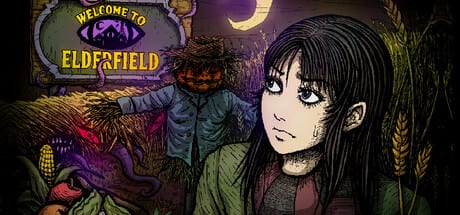
Foraging in Welcome to Elderfield is the skill that bridges farming and cooking. While your crops grow, you walk the town, the outskirts, the mall corridors, and eventually the Old Woods gathering what the land offers. Every Bitter Herb you pick is a cooking ingredient and a passive HP restore. Every Red Mushroom is craft bait and fire starter. The foraging page is the ingredient index that feeds cooking and crafting and the skill that layers on top of fishing and mining when you need extra inventory space.
The demo covers Town, Town Outskirts, Mall, and Old Woods as foraging zones. Each zone has a base forage chance that doubles each foraging level. The official wiki notes that every level adds approximately +1% double forage chance on top of the base rate. Seasonal items (Spring Bloodberries, Summer Sunflower Seeds, Winter Snow Pearls) are location-locked by the calendar, not the build — if you need a Snow Pearl and it is not winter, wait for January.
How foraging works
Walk up to a resource node and press the interaction button. Forage quality scales with the foraging skill level and with luck modifiers from gear, food, and Old God alignment. Higher luck means more double harvests, which means more inventory per trip. Delvek weeks are the obvious choice; Kaal weeks push HP recovery; Hagroth weeks are for planting, not gathering.
Foraging resets with the bath cycle the same way mysteries do — world nodes respawn when you soak. This makes a bath mid-expedition both a curse wipe and a resource refresh. Coordinate your foraging runs with the daily TV news: if the broadcast points at a lakefront or sewer spot, you are already in the right zone.
Town and Outskirts — the starter pantry
The town proper and its outskirts hold the widest mix of everyday ingredients. These are the nodes you pass on the way to every other activity.
| Item | Use | Sell | Notes |
|---|---|---|---|
| Bitter Herb | Cooking ingredient, +2 HP raw | 4g | Most common green; Town, Outskirts, Mall, Old Woods |
| Red Mushroom | Cooking and crafting; do not eat raw | 6g | Same zones as Bitter Herb |
| Wood | Processed in Furnace or Slicer | 4g | Basic crafting fuel |
| Hardwood | Crafting ingredient | 3g | Farm and Old Woods only |
| Spiritwood | Crafting ingredient, energized feel | 3g | Farm and Old Woods only |
Town Outskirts also spawn Bloodberries in Spring. The wiki lists them as a cooking ingredient with a 20g sell price. If the calendar reads March through May, check the outskirts before you head underground.
Mall corridors — the unexpected pantry
The dead mall is not just combat and shops. Hallways and back rooms hold Bitter Herbs, Red Mushrooms, and Wood just like the town surface. The Mall Mines entrance area also has Bread as a forage drop according to wiki records. Treat the mall as a hybrid zone: you fight through to the food court, then pocket the mushrooms on the way out.
Old Woods — the expert tier
The Old Woods is where foraging shifts from everyday to specialized. Most of the rare mushrooms live here, and the drop rates and variety reward a dedicated run rather than a walk-by.
| Item | Use | Sell | Notes |
|---|---|---|---|
| Common Mushroom | Cooking ingredient | 10g | Old Woods standard drop |
| Earthen Morel | Gourmet cooking ingredient | 30g | High-value cooking input |
| Spiritcap Mushroom | Crafting; faintly translucent, whistles | 15g | Old Woods exclusive |
| Night-Hood Mushroom | Crafting; dark and bitter | 30g | Old Woods exclusive |
| Corpse-Ear Mushroom | Crafting; bloated ear of drowned corpse | 30g | Old Woods exclusive; do not eat raw |
| Ashy Mushroom | Crafting; very brittle, crumbles | 30g | Old Woods exclusive |
| Whisptop Mushroom | Crafting; flows like fabric in wind | 30g | Old Woods exclusive |
| Bulbous Mushroom | Crafting; stores great natural power | 30g | Old Woods exclusive |
| Dual-Sprout Mushroom | Crafting; two-for-one | 30g | Old Woods exclusive |
| Golden Mushroom | Crafting; glitters brightly | 150g | Rare Old Woods find |
The Golden Mushroom at 150g is the highest sell price in the foraging tier. It is not a common drop — treat it as a lucky find rather than a farming strategy. The Earthen Morel at 30g is the more reliable high-value target for a cooking ingredient run.
Seasonal and event forages
| Season | Item | Use | Notes |
|---|---|---|---|
| Spring | Bloodberries | Cooking ingredient | Town and Outskirts; red and blood-red berries |
| Summer | Sunflower Seeds | Planting / crafting | Summer only; check outskirts |
| Autumn | Sunflower Seeds | Planting / crafting | Autumn fallback |
| Winter | Dead Leaves | Crafting ingredient | Winter only |
| Winter | Snow Pearl | High-value crafting | Winter only; rare |
The Gemflower spawns via News Event according to wiki records — it is not a fixed seasonal node but a broadcast-triggered spawn. Watch the TV if you are hunting it.
Foraging skill progression
The foraging skill level determines two things: the quality of what you find and the chance of a double harvest. The wiki states that each level adds approximately +1% double forage chance on top of the base rate. Skill points come from using the skill, not from a separate XP bar — keep foraging to level it.
Foraging synergy with other systems:
- Cooking: Every herb and mushroom is a potential ingredient. Forage first, then cook.
- Crafting: Wood types feed the Furnace and Slicer. Spiritwood and Hardwood are the higher tiers.
- Luck alignment: Delvek weeks boost double harvest chances. Time your Old Woods runs accordingly.
- Bath timing: Forage nodes respawn with the bath cycle. A morning soak refreshes the town before you cook.
Quick foraging loop
A practical foraging day in the demo:
- Wake, watch TV for location hints.
- Bathe to reset nodes if you soaked yesterday’s curses.
- Walk town outskirts for Bitter Herbs and Red Mushrooms.
- Check Bloodberries if Spring.
- Head to fishing or mining as your main activity.
- Pocket Old Woods mushrooms on mall or quest days.
- Cook everything before sleep.
Foraging is the system that keeps the kitchen full when the farm is mid-growth and the mines are shuffling. A twenty-minute loop through town and outskirts before your main activity means you always have a cooked meal for the next corridor fight. See fishing and mining for the bait-and-ore loop that pairs with this one.
The Old Woods and its exclusive mushrooms are a 1.0 zone. The demo’s foraging ceiling is Town, Outskirts, and Mall. Plan your summer and winter ingredient runs for September 10, 2026 when the full map is accessible.
Frequently Asked Questions
Quick answers to the most common questions.
Where do I find Bloodberries?
Town and Town Outskirts during Spring. They are a cooking ingredient worth 20g sell. If the calendar reads March–May, check the outskirts before heading underground.
Do foraging nodes respawn?
Yes. Like mysteries, foraging nodes reset when you take a bath. A bath mid-expedition refreshes nodes and wipes curses simultaneously.
What is the rarest foraging drop?
The Golden Mushroom in Old Woods, worth 150g sell. It is not a reliable farmable — treat it as a lucky find during an Old Woods run.
Can I eat Red Mushrooms raw?
The wiki lists them as 'Probably best not to eat this raw' — they are primarily a crafting and cooking ingredient. Cook them before consuming for HP.
When do Snow Pearls appear?
Winter only. They are a rare high-value crafting ingredient. If you need them and it is not winter, wait for the calendar to turn.
Does foraging level up?
Yes. Each level increases double forage chance by roughly +1% and improves quality. Use the skill regularly to level it; points come from activity, not a separate XP bar.